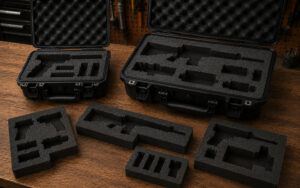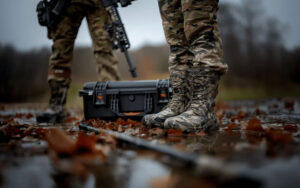
Protective case hinges should generally be inspected every 3 to 6 months under normal use, or more frequently if the case is used in harsh environments or transported regularly.
Hinges are one of the most important structural parts of a protective hard case. They handle repeated opening and closing while helping maintain the alignment and sealing of the case.
Regular inspection helps identify wear or damage before it affects the protection of the equipment stored inside.
Why are case hinges important?
The hinges on a hard case help keep the lid aligned correctly and allow the waterproof seal to work properly when the case is closed.
If a hinge becomes damaged or worn, it can affect:
- The waterproof seal
- The alignment of the lid
- The strength of the case during transport
- The ability of the latches to close properly
- The overall protection of the equipment inside
For protective hard cases carrying cameras, drones, tools, electronics, firearms, or sensitive instruments, hinge reliability is an important part of long-term equipment protection.
How often should protective case hinges be inspected?
The inspection schedule depends on how often the case is used and the environments it is exposed to.
General recommendations include:
- Every 3 to 6 months: For standard personal or professional use
- Monthly: For cases used frequently or transported daily
- Before major travel: Especially before flights or long-distance transport
- After harsh exposure: Following heavy rain, marine use, dust, or impact
Cases used outdoors, on work sites, offshore, or in demanding industrial environments may require more regular checks.
What are the signs of hinge wear or damage?
Regular inspections can help spot problems before they become serious enough to affect the case structure or waterproof seal.
Common warning signs include:
- Cracks around the hinge area
- Loose or uneven movement
- Difficulty opening or closing the case
- Misalignment between the lid and base
- Rust or corrosion on metal components
- Unusual gaps when the case is closed
If the case no longer closes evenly or the lid appears twisted, the hinges may already be under excessive stress.
Why do hinges wear over time?
Protective hard case hinges are exposed to repeated movement, weight, environmental conditions, and transport vibration.
Common causes of hinge wear include:
- Frequent opening and closing
- Heavy equipment loads
- Rough transport and handling
- Exposure to moisture or salt air
- Dust and debris build-up
- Temperature changes and UV exposure
Even durable protective cases can experience gradual wear over time, particularly in demanding environments.
How do you inspect protective case hinges properly?
A proper hinge inspection should include both a visual check and a movement test.
When inspecting the hinges:
- Open and close the case fully several times
- Check for smooth and even movement
- Look for cracks or stress marks
- Inspect metal pins and fittings for corrosion
- Check the alignment of the lid when closed
- Confirm the waterproof seal sits evenly around the case
The hinges should move smoothly without excessive looseness, resistance, or grinding.
How do harsh environments affect case hinges?
Environmental conditions can increase wear and shorten the lifespan of hinge components.
Cases used in the following environments may need more regular maintenance:
- Marine and coastal environments
- Construction and industrial sites
- Dusty outdoor conditions
- Cold and damp weather
- High temperatures and direct sunlight
Salt air, moisture, dust, and temperature changes can all affect hinge performance over time.
This is especially relevant in the UK, where damp weather and outdoor use can increase the risk of corrosion and wear.
Can damaged hinges affect waterproof protection?
Yes. Damaged or misaligned hinges can stop the lid from closing correctly, which may reduce the effectiveness of the waterproof and dustproof seal.
If the lid does not sit evenly against the seal, water and dust may enter the case during transport or storage.
This can place sensitive equipment at risk, particularly:
- Cameras and lenses
- Drones and electronics
- Medical equipment
- Scientific instruments
- Testing equipment
- Audio and recording gear
Checking hinge condition regularly helps maintain the overall protective performance of the case.
How do you maintain protective case hinges?
Basic maintenance can help extend the lifespan of case hinges and keep the case operating smoothly.
Maintenance should include:
- Cleaning dirt and debris from hinge areas
- Drying the case after wet conditions
- Inspecting for corrosion or damage
- Checking hinge movement regularly
- Avoiding excessive force when opening the case
If a hinge becomes cracked, heavily worn, or loose, the case should be repaired or replaced before it is used to transport valuable equipment.
Why regular case inspections matter
Protective hard cases are designed to safeguard expensive and sensitive equipment, but their protective performance depends on all components working correctly.
Regular hinge inspections help:
- Reduce the risk of case failure
- Maintain waterproof protection
- Prevent damage during transport
- Extend the life of the case
- Protect valuable equipment from environmental exposure
For professional users, frequent travellers, outdoor workers, and industrial environments, regular case maintenance is an important part of long-term equipment protection.