Using a hard case for delicate instruments helps protect sensitive equipment from impact damage, moisture, dust, vibration, and changing environmental conditions during storage or transport.
Hard protective cases are commonly used for cameras, medical equipment, measuring devices, electronics, drones, audio equipment, scientific instruments, and precision tools. A properly packed hard case helps keep equipment secure while reducing the risk of movement and accidental damage.
Why use a hard case for delicate instruments?
Delicate instruments can easily be damaged by knocks, pressure, vibration, moisture, or sudden temperature changes. A hard case provides a strong outer shell and a protective interior designed to reduce these risks.
Compared with soft bags or standard storage boxes, a waterproof hard case offers:
- Better impact protection
- Waterproof and dustproof sealing
- Improved organisation
- Reduced movement during transport
- Protection from harsh environments
- More secure long-term storage
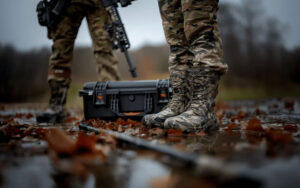
This makes hard cases suitable for travel, field work, industrial use, photography, marine environments, and transporting sensitive equipment between sites.
How do you pack delicate instruments inside a hard case?
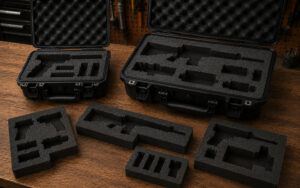
Proper packing starts with making sure each item is supported correctly inside the case. Instruments should sit securely inside foam inserts or padded compartments so they cannot move during transport.
When packing a hard case:
- Place heavier items near the base of the case
- Keep delicate components separated
- Use foam inserts or padded dividers
- Fill empty gaps to prevent movement
- Protect screens, lenses, and sensitive surfaces
- Keep cables and accessories organised
Each item should fit snugly without excessive pressure. If equipment can move or rattle inside the case, it may not be properly protected.
What type of foam is best for delicate instruments?
The best foam depends on the type of equipment being protected and how the case will be used.
- Polyurethane foam: A softer foam that helps protect delicate surfaces, lenses, and sensitive components.
- Polyethylene foam: A firmer, more durable foam that provides strong impact protection.
- EVA foam: A dense foam often used for custom-cut inserts with precise layouts.
Custom-cut foam inserts usually provide the highest level of protection because they are shaped around the exact dimensions of the equipment.
How do custom foam inserts protect sensitive equipment?
Custom foam inserts help stop equipment from shifting during transport by creating dedicated compartments for each item.
This can help protect:
- Cameras and lenses
- Medical instruments
- Audio and recording equipment
- Drones and controllers
- Scientific and testing equipment
- Electronic devices and components
- Precision tools and measuring instruments
Custom inserts also help improve organisation by keeping accessories, chargers, cables, batteries, and tools separated and easy to access.
How do you prevent delicate instruments from moving inside the case?
Movement inside the case is one of the main causes of damage during transport. Instruments that slide or knock against each other can suffer scratches, cracked components, damaged screens, or alignment issues.
To reduce movement:
- Use custom-cut foam or padded compartments
- Fill unused space inside the case
- Keep accessories in separate sections
- Avoid overpacking the case
- Check the fit before transport
Once packed, gently move the closed case from side to side. You should not hear rattling or feel items shifting inside.
Why are waterproof and dustproof hard cases important?
Many delicate instruments are sensitive to moisture, dirt, and dust. Waterproof hard cases help protect equipment when working outdoors, travelling, or storing items in challenging environments.
A waterproof and dustproof case can help protect equipment from:
- Rain and damp conditions
- Dust and debris
- Marine and coastal environments
- Mud and dirt on work sites
- Condensation during travel
This is particularly important in the UK, where changing weather and damp conditions can increase the risk of moisture-related damage.
How do pressure release valves help protect instruments?
Pressure release valves help equalise air pressure inside the case during altitude or temperature changes.
This can be useful when:
- Travelling by air
- Moving between different elevations
- Transporting equipment in changing temperatures
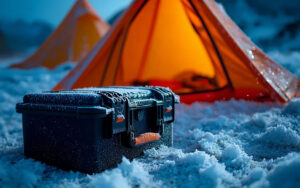
- Moving equipment between cold outdoor areas and warm indoor spaces
Pressure equalisation helps reduce strain on seals and can help prevent condensation build-up inside the case.
What should you look for when choosing a hard case?
Choosing the right hard case depends on the type of equipment being protected and the environment it will be used in.
Important features to consider include:
- Impact-resistant outer shell
- Waterproof and dustproof sealing
- Customisable foam interiors
- Strong latches and hinges
- Pressure release valves
- Comfortable handles or wheels
- The correct internal dimensions for the equipment
The case should provide enough room for both the equipment and protective padding without leaving excessive empty space inside.
How do you maintain a hard case for long-term protection?
Regular maintenance helps keep a hard case working properly and ensures continued protection for sensitive equipment.
Good maintenance includes:
- Cleaning dirt and moisture from the case after use
- Checking seals for wear or damage
- Inspecting hinges and latches regularly
- Replacing damaged or worn foam
- Storing the case in a dry environment
Keeping the interior organised and maintaining the foam inserts properly can help extend the life of both the case and the equipment stored inside.
Choosing the right interior layout for delicate instruments
The interior layout of a hard case is just as important as the outer shell. A well-designed interior helps protect equipment from movement, impact, and unnecessary pressure during transport.
Custom foam inserts are often the best option for delicate instruments because they provide:
- Precise support for each item
- Improved organisation
- Better shock protection
- Reduced movement inside the case
- Easier access to equipment and accessories
For professional users, field work, travel, and long-term equipment protection, a properly fitted hard case can help keep delicate instruments secure in demanding real-world conditions.