Protective hard cases do not usually void equipment warranties when they are used correctly and do not interfere with the normal operation of the equipment.
In many situations, using a quality protective case can actually support warranty claims because it demonstrates that the equipment has been properly stored, transported, and protected from environmental damage.
Most manufacturers encourage responsible equipment care, especially for expensive electronics, cameras, drones, tools, and professional instruments.
Do protective cases normally void warranties?
In most cases, no.
Using a protective hard case for storage or transport is generally considered a normal protective measure rather than a modification to the equipment itself.
Protective cases are designed to help reduce risks such as:
- Impact damage
- Moisture exposure
- Dust contamination
- Vibration during transport
- Temperature-related stress
These are the same types of damage many manufacturers specifically advise users to avoid.
What usually causes a warranty to become invalid?
Equipment warranties are more commonly affected by:
- Unauthorised modifications
- Improper repairs
- Physical abuse
- Exposure to prohibited environments
- Using equipment outside recommended operating conditions
Simply placing equipment inside a protective hard case does not normally fall into these categories.
How can protective cases actually help support warranty claims?
Using a high-quality protective case can help demonstrate that the equipment was properly cared for.
This may support warranty claims by showing that reasonable steps were taken to protect the equipment during:
- Transport
- Storage
- Field work
- Travel
If damage occurs despite proper protection, manufacturers may view the use of professional protective equipment more favourably than equipment transported without protection.
What manufacturer requirements are commonly linked to warranties?
Many equipment manufacturers include requirements relating to:
- Temperature exposure
- Moisture protection
- Dust prevention
- Safe transport
- Impact avoidance
Protective hard cases are often designed specifically to help equipment remain within these environmental limits.
For example, professional protective cases may offer:
- IP67-rated waterproof protection
- Dustproof sealing
- Impact-resistant construction
- Pressure equalisation valves
- Temperature-resistant materials
Can some protective cases create warranty issues?
Although uncommon, certain types of cases or modifications could potentially create warranty concerns.
This may happen if the case:
- Requires permanent modifications to the equipment
- Blocks cooling vents
- Causes overheating
- Restricts normal operation
- Uses materials that damage the equipment surface
Protective solutions should never interfere with the safe and intended operation of the equipment.
Why is ventilation important for some equipment?
Some electronic equipment relies on proper airflow for cooling.
This is particularly important for:
- Laptops
- Gaming systems
- Drones
- Audio equipment
- Industrial electronics
Protective cases used during operation should not block vents, fans, or cooling systems.
Most hard protective cases are designed for transport and storage rather than active use.
How do custom foam inserts affect equipment warranties?
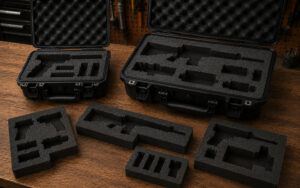
Custom foam inserts normally do not affect warranties because they provide external support without altering the equipment itself.
Custom foam helps:
- Reduce movement inside the case
- Absorb impacts
- Protect delicate components
- Improve organisation
Professionally designed foam inserts are widely used in industries where equipment reliability and warranty protection are important.
Can waterproof cases help protect warranty coverage?
Yes. Waterproof protective cases can help prevent moisture-related damage that might otherwise lead to warranty disputes.
Cases with IP67-rated protection help shield equipment from:
- Rain
- Dust
- Humidity
- Temporary water exposure
Maintaining proper environmental protection may help demonstrate responsible equipment handling.
Why do professional users rely on protective hard cases?
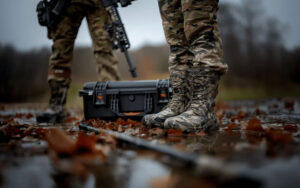
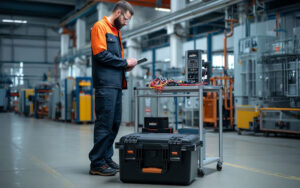
Professional users often transport expensive or sensitive equipment in demanding environments.
Industries that commonly use protective hard cases include:
- Photography and film
- Audio production
- Medical services
- Industrial engineering
- Scientific research
- Surveying and field work
In these industries, equipment protection is considered a normal part of maintaining reliability and preserving long-term value.
What features should a protective case include to support proper equipment care?
A quality protective hard case should include features such as:
- Impact-resistant construction
- Secure latching systems
- Waterproof sealing
- Pressure release valves
- Custom foam interiors
- Temperature-resistant materials
These features help reduce the likelihood of accidental damage during storage and transport.
Should you keep records of your protective equipment?
Keeping documentation for protective cases and equipment can be useful for warranty claims and insurance purposes.
This may include:
- Purchase receipts
- Case specifications
- Photographs of the equipment setup
- Maintenance records
Detailed records help demonstrate that equipment has been handled responsibly.
Why proper equipment protection matters
Protective hard cases help reduce the risk of accidental damage, environmental exposure, and transport-related wear.
When used correctly, they generally support rather than compromise equipment warranty protection.
Choosing a high-quality case with the correct fit, proper foam support, and suitable environmental protection helps keep valuable equipment secure while maintaining good long-term care practices.