Hard protective cases are designed to provide reliable waterproof protection against rain, splashes, dust, and temporary submersion.
The level of waterproofing depends on:
- IP certification rating
- Seal quality
- Latch design
- Case construction materials
- Manufacturing precision
Professional waterproof hard cases are commonly used to protect:
- Cameras
- Drones
- Electronics
- Medical devices
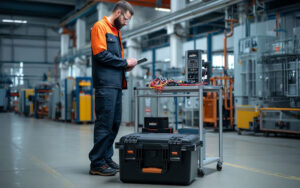
- Industrial tools
- Sensitive instruments
What does waterproof mean for a hard protective case?
A waterproof hard case prevents water from entering the interior, even during heavy exposure or temporary submersion.
This differs from water-resistant cases, which only protect against light moisture or rain.
True waterproof cases use:
- Precision gasket sealing systems
- Compression latches
- Rigid case shells
- Pressure equalisation valves
When properly sealed, these systems create an airtight and watertight barrier around the contents.
What does an IP67 rating mean?
IP67 is one of the most common waterproof certifications for professional hard cases.
The rating consists of two numbers:
- The first digit (6): complete dust protection
- The second digit (7): waterproof protection during temporary submersion
An IP67-rated case can normally withstand:
- Submersion up to 1 metre deep
- For up to 30 minutes
without water entering the interior.
This level of protection is ideal for:
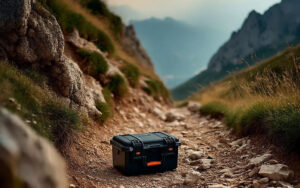
- Outdoor work
- Marine environments
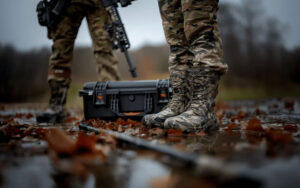
- Field operations
- Drone transport
- Photography equipment
How are waterproof hard cases tested?
Waterproof cases undergo controlled laboratory testing to verify seal performance.
Testing typically includes:
- Dust chamber testing
- Water immersion testing
- Pressure testing
- Temperature variation testing
During IP67 testing, the case is submerged underwater while inspectors check for:
- Seal failure
- Moisture penetration
- Pressure leakage
Cases must remain completely dry inside to pass certification.
What makes some hard cases more waterproof than others?
Several construction factors affect waterproof performance.
Gasket quality
Premium cases use high-grade rubber or silicone gaskets that remain flexible across extreme temperatures.
Low-quality seals may crack, harden, or lose compression over time.
Latch systems
Dual-action latches create even pressure around the case perimeter.
Consistent compression ensures the gasket seals properly.
Case shell construction
Rigid shell materials help prevent warping that could break the seal.
Professional cases often use high-impact polypropylene materials such as NK-7 resin for strength and dimensional stability.
Manufacturing precision
Waterproof cases require precise tolerances around:
- Seal channels
- Hinges
- Latches
- Lid alignment
Even small inconsistencies can compromise waterproof integrity.
How deep underwater can waterproof hard cases go?
Most IP67-rated hard cases are designed for:
- Temporary submersion
- Up to 1 metre deep
- For 30 minutes
Some specialised waterproof cases exceed these limits with higher IP ratings.
However, standard hard protective cases are primarily designed for:
- Heavy rain
- Boat transport
- Accidental drops in water
- Outdoor field conditions
rather than prolonged underwater use.
Why do waterproof cases include pressure equalisation valves?
Pressure equalisation valves allow internal air pressure to balance during:
- Altitude changes
- Temperature changes
- Air travel
Without these valves, pressure differences can:
- Stress the gasket seals
- Warp the case slightly
- Make the case difficult to open
The valve allows airflow while still preventing water from entering.
Can waterproof hard cases fail?
Yes. Even high-quality waterproof cases can fail if they are damaged or improperly maintained.
Common causes include:
- Dirty gasket seals
- Damaged latches
- Cracked case shells
- Worn rubber seals
- Improper closure
If the gasket is not compressed evenly, water can enter through small gaps.
How do you maintain waterproof hard cases properly?
Regular maintenance helps preserve waterproof performance over time.
Inspect seals regularly
Check for:
- Cracks
- Flattening
- Dirt buildup
- Seal deformation
Keep gasket channels clean
Debris inside the seal channel can prevent proper closure.
Use mild soap and water for cleaning.
Avoid chemical damage
Petroleum-based products can degrade rubber seals.
Only use cleaning products recommended by the manufacturer.
Store cases properly
Long-term storage with latches fully compressed can flatten seals over time.
Many professionals store cases slightly unlatched when not in use.
Are waterproof hard cases also dustproof?
Most professional waterproof cases with IP67 certification are also completely dustproof.
This makes them ideal for:
- Construction sites
- Outdoor filming
- Desert environments
- Industrial work
- Marine use
Dustproof protection prevents:
- Sensor contamination
- Mechanical wear
- Electronic failures
- Optical damage
What types of equipment benefit most from waterproof hard cases?
Waterproof hard cases are commonly used to protect:
- Cameras and lenses
- Drones and controllers
- Laptops and electronics
- Medical equipment
- Measurement instruments
- Industrial tools
- Audio equipment
These cases are especially valuable when equipment is transported in unpredictable environments.
Why waterproof hard cases matter
Waterproof hard cases provide critical protection against environmental damage that could destroy expensive equipment.
Professional-grade cases combine:
- Impact resistance
- Dustproof sealing
- Waterproof protection
- Pressure equalisation
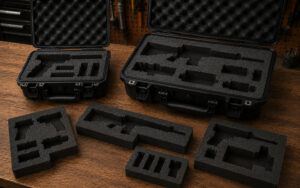
- Custom foam interiors
When properly maintained, waterproof hard cases offer long-term protection for sensitive gear in demanding conditions.