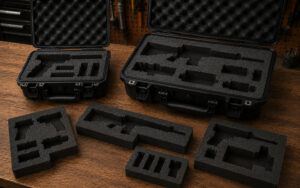
Case warranties help protect your investment by covering manufacturing defects, material failures, and problems that affect the protective performance of the case during normal use.
A good protective hard case warranty can provide reassurance that the case is built to withstand regular transport, storage, and demanding environments without failing prematurely.
When choosing a protective hard case, it is important to look beyond the advertised warranty length and understand exactly what is covered and what is excluded.
What does a protective hard case warranty usually cover?
Most protective hard case warranties cover manufacturing defects and failures that occur during normal use.
This commonly includes:
- Structural cracks caused by manufacturing faults
- Problems with hinges and latches
- Seal and gasket failures
- Faulty pressure release valves
- Defects in the case shell material
A quality warranty should support the case’s ability to provide impact protection, waterproof sealing, and reliable long-term performance.
What is usually not covered by a case warranty?
Most warranties do not cover damage caused by misuse, accidents, excessive force, or normal cosmetic wear.
Common exclusions include:
- Scratches and cosmetic marks
- Damage caused by improper use
- Accidental crushing or severe impact damage
- Damage caused by chemicals or fire
- Wear caused by long-term heavy use
- Unauthorised modifications or drilling
It is important to read the warranty terms carefully, particularly if the case will be used in demanding industrial, marine, or outdoor environments.
How long should a good case warranty last?
The length of the warranty can often give an indication of the manufacturer’s confidence in the product.
Typical warranty periods include:
- 1 year: Common on budget or entry-level cases
- 2 to 5 years: Common on professional protective hard cases
- Lifetime warranties: Offered by some premium manufacturers on specific components or case shells
Longer warranties are often associated with more durable materials, higher-quality hardware, and more demanding testing standards.
Why does warranty coverage matter for waterproof hard cases?
Waterproof hard cases rely on several components working together correctly, including:
- Rubber gasket seals
- Latches and locking systems
- Pressure release valves
- Hinges and alignment points
If one of these components fails, the waterproof and dustproof protection of the case may be compromised.
A good warranty should provide cover for faults that affect the protective performance of the case, especially where moisture or dust ingress could damage valuable equipment.
What should you look for in warranty terms?
When comparing warranties, it is important to look at the details rather than focusing only on the length of coverage.
Things worth checking include:
- Exactly what components are covered
- Whether waterproof seals are included
- If hinges and latches are covered
- How warranty claims are handled
- Whether the warranty is limited or lifetime
- Any environmental or usage exclusions
Clear and straightforward warranty terms are usually a good sign that the manufacturer stands behind the product.
Why are hinges and latches important in warranty coverage?
Hinges and latches are among the most heavily used parts of a protective hard case.
They are responsible for:
- Keeping the lid aligned correctly
- Maintaining waterproof sealing pressure
- Protecting equipment during transport
- Ensuring the case closes securely
Because these components experience repeated stress during normal use, good warranty coverage for hinges and latches is important for long-term reliability.
Should waterproof seals and pressure valves be covered?
Yes. Waterproof seals and pressure release valves are critical parts of a protective hard case and should ideally be included within the warranty coverage.
These components help maintain:
- Waterproof protection
- Dustproof sealing
- Pressure equalisation during travel
- Protection against moisture ingress
If these parts fail due to manufacturing faults, the protective performance of the case can be affected significantly.
How do you make a warranty claim?
Most manufacturers require proof of purchase and evidence of the issue before processing a warranty claim.
A typical warranty claim process may involve:
- Providing photographs of the damage
- Supplying the purchase receipt
- Describing how the issue occurred
- Returning the case for inspection
Keeping purchase records and inspecting the case regularly can help make the process easier if a problem occurs.
Why do some protective hard cases offer lifetime warranties?
Some premium manufacturers offer lifetime warranties because their cases are designed for long-term professional and industrial use.
These warranties are often associated with:
- High-impact resin construction
- Heavy-duty hinges and latches
- Professional waterproof sealing systems
- Extensive durability testing
However, even lifetime warranties usually contain exclusions for misuse, accidental damage, and cosmetic wear.
How do warranties help protect valuable equipment?
A reliable warranty provides added confidence that the case will continue protecting valuable equipment over time.
This is especially important for:
- Cameras and lenses
- Drones and electronics
- Medical equipment
- Scientific instruments
- Industrial tools
- Firearms and accessories
For professional users, outdoor work, travel, and industrial environments, choosing a protective hard case with strong warranty support can help reduce long-term replacement and repair costs.