Yes, hard cases are one of the best storage and transport solutions for camera equipment, especially for professional or high-value gear.
Hard cases provide significantly better protection than soft camera bags by shielding equipment from:
- Impact damage
- Water ingress
- Dust contamination
- Temperature changes
- Transport vibration
- Crushing pressure
Professional photographers commonly use hard cases for cameras, lenses, drones, lighting equipment, and sensitive accessories that require maximum protection.
Why are hard cases better than soft camera bags?
Hard cases use rigid shell construction that absorbs and distributes impact forces away from the equipment inside.
Soft bags rely mainly on padded fabric, which compresses under pressure and offers limited protection against:
- Drops
- Crushing
- Heavy impacts
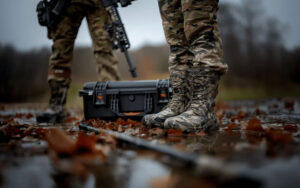
Hard cases maintain their protective structure even during rough handling, making them ideal for:
- Travel
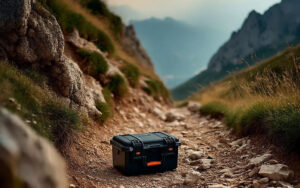
- Outdoor photography
- Air transport
- Professional production work
What camera equipment benefits most from hard case storage?
Hard cases are particularly valuable for expensive or delicate equipment.
Camera bodies
Professional DSLR and mirrorless cameras contain sensitive:
- Sensors
- Electronics
- Mechanical shutters
that can be damaged by impact or moisture.
Camera lenses
Lenses benefit greatly from hard case protection because they contain:
- Precision optics
- Fragile coatings
- Internal moving elements
Telephoto lenses especially require stable protection during transport.
Drones and gimbals
Drone equipment is highly vulnerable to:
- Vibration
- Impact
- Dust
- Moisture
Hard cases help secure:
- Aircraft bodies
- Controllers
- Batteries
- Propellers
Lighting and audio gear
Hard cases also protect:
- LED lights
- Wireless microphones
- Audio recorders
- Field production accessories
How do hard cases protect camera equipment?
Impact resistance
Professional hard cases use high-impact shell materials such as polypropylene or NK-7 resin.
These materials absorb and spread impact energy away from delicate equipment.
Waterproof protection
Many professional cases offer IP67-rated waterproof protection.
This protects equipment from:
- Rain
- Snow
- Splashes
- Temporary submersion
Dustproof sealing
Dust and sand can damage:
- Camera sensors
- Lens mechanisms
- Electronic contacts
Hard cases use gasket sealing systems to prevent contamination.
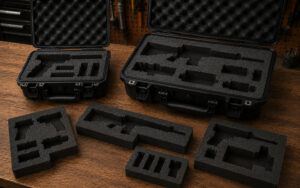
Foam cushioning
Custom foam interiors hold equipment securely in place and prevent movement during transport.
Foam systems also absorb vibration and reduce pressure on delicate surfaces.
What types of foam work best for camera equipment?
Polyurethane foam
Soft polyurethane foam protects:
- Lenses
- Screens
- Painted surfaces
by preventing scratches and pressure damage.
Polyethylene foam
Higher-density polyethylene foam provides stronger support for:
- Camera bodies
- Lighting equipment
- Heavy accessories
EVA foam
EVA foam offers excellent dimensional stability for:
- Complex camera kits
- Precision-cut layouts
- Professional equipment organisation
Should photographers use custom foam inserts?
Yes. Custom foam inserts provide significantly better protection than generic compartments.
Precision-cut foam:
- Prevents equipment movement
- Improves shock absorption
- Organises accessories efficiently
- Reduces vibration during travel
Professional custom foam services often use:
- 3D scanning
- CNC cutting
to create exact equipment fitment.
When should photographers invest in hard cases?
Hard cases become especially important when:
- Travelling frequently
- Flying with equipment
- Working outdoors
- Using expensive professional gear
- Shooting in harsh environments
Photographers working in:
- Nature photography
- Sports
- Commercial production
- Adventure travel
- Film production
often rely heavily on hard protective cases.
Are hard cases good for long-term camera storage?
Yes, provided they are stored correctly.
Hard cases protect cameras from:
- Dust
- Moisture
- Accidental impact
- Environmental contamination
For long-term storage:
- Keep equipment dry
- Use silica gel packs if needed
- Avoid storing cases in extreme heat
- Inspect seals periodically
What features should photographers look for in hard cases?
Waterproof rating
Look for IP67-rated protection for reliable waterproof and dustproof performance.
Customisable interiors
Foam customisation is essential for professional camera protection.
Pressure equalisation valves
These help during air travel by balancing internal pressure while maintaining waterproof integrity.
Secure latches
Dual-action latches improve:
- Security
- Seal compression
- Transport safety
Portability features
Larger camera kits benefit from:
- Wheel systems
- Telescoping handles
- Ergonomic grips
Are hard cases worth the investment for photographers?
For professional or high-value equipment, hard cases are usually worth the investment.
The cost of replacing damaged camera equipment often far exceeds the price of a quality protective case.
Hard cases help reduce the risk of:
- Impact damage
- Moisture exposure
- Transport accidents
- Equipment movement
Professional photographers often consider hard cases essential rather than optional, especially when working in demanding environments or transporting expensive gear regularly.
Why professional photographers choose hard cases
Professional hard cases provide a combination of:
- Impact resistance
- Waterproof protection
- Dustproof sealing
- Secure organisation
- Long-term durability
For photographers who depend on reliable equipment performance, hard cases offer one of the safest ways to store and transport valuable camera gear.