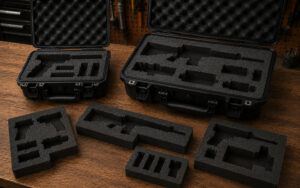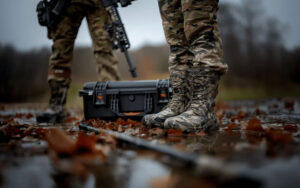
A protective hard case is a rugged storage and transport case designed to protect valuable equipment from impact, moisture, dust, vibration, and harsh environmental conditions.
Protective hard cases are commonly used for cameras, drones, tools, electronics, firearms, medical equipment, audio gear, scientific instruments, and other sensitive equipment that needs reliable protection during transport or storage.
Unlike soft bags or lightweight cases, a hard case uses a rigid outer shell and protective interior materials to help reduce the risk of damage in demanding real-world conditions.
How does a protective hard case work?
A protective hard case works by combining a strong outer shell with internal cushioning and sealing systems that help shield equipment from damage.
The outer shell is designed to absorb and spread impact forces across the case rather than allowing direct pressure onto the equipment inside.
Inside the case, foam inserts or padded dividers help:
- Keep equipment securely in place
- Reduce movement during transport
- Absorb shock and vibration
- Protect delicate surfaces and components
- Improve organisation and accessibility
Many protective hard cases also include waterproof seals and pressure release valves to help protect equipment in changing environments.
What materials are protective hard cases made from?
Most protective hard cases are made from durable impact-resistant plastics or resin-based materials designed to withstand heavy use.
Common materials include:
- Polypropylene
- ABS plastic
- High-impact resin polymers
- Reinforced composite materials
These materials are chosen because they offer a balance of strength, durability, and manageable weight for transport.
Many professional hard cases also include:
- Reinforced corners
- Heavy-duty hinges
- Secure locking latches
- Stainless steel hardware
- Rubberised handles
What makes a hard case waterproof and dustproof?
Waterproof hard cases use sealed gasket systems around the lid to help stop water and dust from entering the case.
When the latches are closed, the seal compresses tightly around the edge of the case to create a protective barrier.
Many waterproof hard cases are tested to IP ratings such as IP67, which indicates protection against dust and temporary water immersion.
Waterproof and dustproof protection can help protect equipment from:
- Rain and wet weather
- Dust and dirt
- Marine and coastal environments
- Mud and debris on work sites
- Damp storage conditions
This is especially useful in the UK, where equipment is often exposed to changing weather and damp outdoor conditions.
What are pressure release valves used for?
Many protective hard cases include automatic pressure release valves that help equalise air pressure inside the case.
This is particularly important when:
- Travelling by air
- Moving between different elevations
- Transporting equipment in changing temperatures
- Moving equipment between cold outdoor and warm indoor environments
Pressure equalisation helps prevent strain on seals and can make the case easier to open after flights or major temperature changes.
What equipment should be stored in a protective hard case?
Protective hard cases are suitable for equipment that needs protection from impact, moisture, vibration, or rough handling.
Common uses include:
- Cameras and lenses
- Drones and drone accessories
- Power tools and specialist tools
- Medical equipment
- Audio and broadcast equipment
- Scientific instruments
- Electronics and testing devices
- Firearms and shooting accessories
Custom foam inserts can also help organise smaller accessories such as batteries, chargers, cables, memory cards, and tools.
How do you choose the right protective hard case?
Choosing the right hard case depends on the size of the equipment, the level of protection needed, and how the case will be used.
Important factors to consider include:
- Internal dimensions
- Impact resistance
- Waterproof and dustproof protection
- Foam insert options
- Weight and portability
- Handle and wheel options
- Latch and locking systems
- Airline travel compatibility
The case should provide enough room for both the equipment and protective padding without leaving excessive empty space inside.
What types of foam are used inside protective hard cases?
Foam inserts help secure equipment and reduce movement inside the case during transport.
Common foam types include:
- Polyurethane foam: A softer foam suitable for delicate surfaces and sensitive equipment.
- Polyethylene foam: A firmer foam with strong impact resistance and durability.
- EVA foam: A dense foam often used for custom-cut layouts and professional presentation.
Custom-cut foam inserts provide the highest level of protection because they are designed around the exact shape of the equipment.
Why are protective hard cases useful for transport?
Transporting sensitive equipment can expose it to vibration, knocks, pressure, moisture, and accidental impacts.
A protective hard case helps reduce these risks by:
- Keeping equipment securely organised
- Reducing movement inside the case
- Protecting against impact damage
- Providing waterproof and dustproof storage
- Making equipment easier to carry and transport
For professional users, outdoor work, travel, and demanding environments, a protective hard case provides a more reliable level of protection than standard storage bags or lightweight cases.
How do you maintain a protective hard case?
Regular maintenance helps keep the case functioning properly and ensures long-term protection for the equipment stored inside.
Maintenance should include:
- Cleaning dirt and moisture from the case after use
- Checking seals for wear or damage
- Inspecting hinges and latches regularly
- Replacing worn foam inserts when needed
- Storing the case in a dry environment
Looking after both the case and the foam interior helps maintain reliable protection over time.